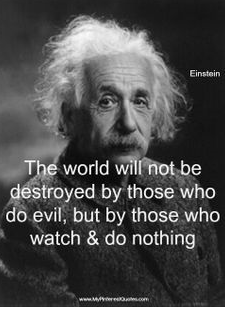
Instead of my first blog: ALBERT EINSTEIN Quotes:
“WE CANNOT SOLVE OUR PROBLEMS WITH THE SAME THINKING WE USED WHEN WE CREATED THEM“
“A person who never made a mistake never tried anything new” but
“When someone keeps making the same mistake over and over again, it’s no longer a mistake. It’s a habit.”
“Insanity: doing the same thing over and over again and expecting different results.”
Look also below the text from Infographic created by: Michael R.H. Steward
13 Business Secrets from Albert Einstein
- AVOID THE INSANITY OF POOR RESULTS: The business world is all about bold experimentation, but if what you’re doing isn’t working — if you are dissatisfied with the results — don’t keep repeating the same approaches expecting different results. As Einstein warned: That leads to insanity. {“Insanity: doing the same thing over and over again and expecting different results.”}
- BE A CREATIVE PROBLEM SOLVER: If the problems you are facing are of your own creation, it’s time to modify your thinking. Failure to do so will simply compound the problems. {“We cannot solve our problems with the same thinking we used when we created them.”}
- USE YOUR IMAGINATION: To be successful in the future, you need to view it through your imagination. Your current situation is going to change as you move forward, but to truly excel you must look beyond where you think you’ll be. {“The true sign of intelligence is not knowledge but imagination.”}
- BE A REALIST: The opposite is also true. Look closely at the empirical evidence. Don’t engage in wishful thinking. Whatever is actually happening is reality. {“A man should look for what is, and not for what he thinks should be.”}
- BECOME A PERSON OF VALUE: This is crucial. It’s not what you do, or how well you do it that’s important. It’s who you are that counts. If you achieve financial success, use that success to help others. At all times, strive to do something that matters. {“Try not to become a man of success, but rather try to become a man of value.”}
- LEARN TO DESCRIBE YOUR BUSINESS SIMPLY: If you find it difficult to describe your business in a thirty second elevator pitch, you don’t understand it well enough. And if you don’t understand it, no one else is going to. {“If you can’t explain it simply, you don’t understand it well enough.”}
- DON’T WORRY MISTAKES, JUST KEEP TRYING: Mistakes should never trouble you. If you’re not making them, you’re not working hard enough. You need to strive for success at least 51% of the time. {“Anyone who has never made a mistake has never tried anything new.”}
- DEVELOP PERSISTENCY: Einstein spent most of his life on the Theory of RELATIVITY. He then embarked on a second ambitious project on the universal Theory, or Theory of Everything, which he struggled with every day until he died. He was a marvel of persistence. {“It’s not that I’m so smart, it’s just that I stay with problems longer.”}
- HAVE MORE CONCERN FOR OTHERS THAN YORSELF: Unselfishness is mandatory to be successful in business. In social media marketing you should always place the wants and needs of your customers ahead of your own. Remain aware that you are a member of the human family and support them willingly. {“Only a life lived for others is a life worthwhile.”}
- LEARN THE RULES AND WORK HARD: In social media in particular, you must understand the rules completely so that you can engage heartily in a period of sustained effort. Social media is simple, but it isn’t easy. {“You have to know the rules of the game. And then you have to play better than anyone else.”}
- LEARN EVERYTHING THERE IS TO LEARN: Never stop increasing your knowledge base. There is always more that you can learn which will dramatically improve your chances for success. {“Once you stop learning, you start dying.”}
- YOUR COMPUTER IS INDISPENSABLE: Without your computer, none of this would be possible. Make it your trusted friend. Learn everything there is to learn about its functionality and practice until you can multytask like a champion. {“Computers are incredibly fast, accurate and stupid; humans are incredibly slow, inaccurate and brilliant; together they are powerful beyond imagination.”}
- HAPPINESS IS ACHIEVING YOUR GOALS: Businessmen and women live for the achievement of their goals. Marching toward accomplishment will make your business live a pleasure, reduce stress and make you generally happier. {If you want to live a happy life, tie it to a goal. Not to people or things.”}
PISMO SMC-ju PO ZMAGI NA VOLITVAH IN PREVZEMU OBLASTI (Milan Demšar 9/2014)
Nekaj mnenj vezanih na »Projekt finančnega in poslovnega prestrukturiranja« oziroma »Celovit sistem kriznega upravljanja in vodenja« na ravni države.
Projekt začeti takoj, ker mora »potrebujemo čas« zamenjati »čas je denar«.
Projekt finančnega in poslovnega prestrukturiranja (za več sto podjetij) se, tako kot reševanje krize nasploh, prelaga v prihodnost že vse predolgo. Rezultat ne ukrepanja ni le, da problem ostaja, ampak se le ta povečuje. »Povečanje« je (ga bo) mogoče kvantificirati z nastajanjem nove bančne luknje. In zakaj torej ne ukrepamo? Po mojem mnenju »ker ne vemo, kako bika zgrabiti za roge«, ker res ni enostavno. Politika finančno prestrukturiranje velikokrat poenostavi z »razdolžitev gospodarstva« in seveda smo vsi za, ampak kdo naj ga pa razdolži. Država-DUTB, poslovne banke, upniki-dobavitelji, novi-tuji vlagatelji, itd., vendar le ti niso za, ker niso pripravljeni prevzeti izgub, ki niso njihove. Izgube, ki bodo tudi po finančnem prestrukturiranju še vedno nastajale, če ne bo izvedeno tudi poslovno prestrukturiranje.
Finančno prestrukturiranje je samo predpogoj za trajno rešitev t.j. poslovno prestrukturiranje.
Problem poslovnega prestrukturiranja je še večji od finančnega. Gre za problem kako gospodarstvo (več sto pomembnih podjetij) narediti konkurenčno. Na kratek rok (nekaj mesecev) nikakor, na dolgi rok (nekaj let) z velikim tveganjem in z nekom, ki bi financiral nove izgube v teh letih. Ampak to smo že poizkusili in ni dalo rezultatov, čeprav nas je stalo (in nas bo še dodatno) bančno luknjo. Zato govorimo o ohranitvi zdravih jeder. In zakaj tega ne realiziramo? Spet preprosto vprašanje brez odgovora. Gre za milijarde, kolikšen del le teh pa predstavljajo zdrava jedra? Ali bodo po zdajšnjem videnju zdrava jedra res še zdrava, ko bodo ostala sama s seboj (delovanje organizacij je kompleksno)? Kdo bo prevzel-kupil zdrava jedra in kdo bo plačal razliko-negativni kapital (če se hočemo izogniti stečajnemu plazu)? Za vse neuspešne primere poslovnega prestrukturiranja (ohranitve zdravih jeder) bodo potrebna ponovna finančna prestrukturiranja ali stečaji.
Rezultat projekta kratkoročno bo nižja gospodarska rast in izguba delovnih mest.
Problem množičnega poslovnega prestrukturiranja ni samo problem konkurenčnosti na mikro ravni. Gre za vprašanje gospodarske rasti in delovnih mest. Zdaj so v pogonu tudi nekonkurenčne kapacitete (ki predstavljajo velik delež celotnih), ki sicer prinašajo postopno povečevanje izgub-bančne luknje-državnega dolga, vendar gledano kratkoročno in makroekonomsko, njihova ustavitev pomeni minus za rast in delovna mesta ter veliko enkratno povečanje izgub-bančne luknje-državnega dolga (alternativno: porabe denarja od privatizacije). Ob tem ne morem ne komentirati »velikega uspeha« – tri četrtletja gospodarske rasti in zmanjšanja brezposelnosti. Ta zares razveseljiv uspeh je žal osnovan na nevzdržnem financiranju nerentabilnih kapacitet (z bančno luknjo, subvencijami, davčnim dolgom,..) ter na domačem povpraševanju, tudi tistem iz nezaslužene socialne države in drage države, kar vse se financira z zadolževanjem države v tujini. Slednje se s povprečnim povečevanjem 10% BDP/leto v preteklih šest letih ne more nadaljevati še v naslednjih letih. Ob tem so se tudi podjetja sama dezinvestirala za pridobitev sredstev za plače in material (so »jedla svojo substanco«). To je pojasnilo zakaj ima Nemčija z zelo konkurenčnim gospodarstvom težave z rastjo, medtem ko je Slovenija s slabo konkurenčnim gospodarstvom med hitreje rastočimi v EU.
Preprečiti plaz stečajev in poravnav.
V normalnih razmerah bi se finančno in poslovno prestrukturiranje podjetij moralo dogajati na mikro ravni. Ker se ni, med drugim zato, ker smo čakali da bo finančna kriza (evropska, svetovna) minila in verjeli, da bo s tem konec tudi naše krize, moramo zdaj preprečiti domino efekt in posledično kaos zaradi predimenzioniranosti problema. Gospodarski subjekti so povezani in se zaradi množice več stotih nekonkurenčnih družb zdaj lahko sproži plaz stečajev, ki bi zajel tudi zdrave subjekte. Zakon z uvedbo pred-stečajnih postopkov, prostovoljne poravnave, izvensodne poravnave ob že pred tem znanih, stečaju in prisilni poravnavi tega problema ne rešuje. Nujna je zakonodajna, organizacijska in finančna intervencija države.
Sočasno ukrepati na makro in mikro ravni.
V projekt, ki naj bi se začel že dolgo nazaj naj bi bili vključeni: ECB, Evropska Komisija, vlada (ministrstva za finance, gospodarstvo, pravosodje, delo), Banka Slovenije, DUTB, poslovne banke, GZS, sindikati in seveda predvsem družbe, ki jim je projekt namenjen. Sestankov je bilo že veliko, tudi veliko dela je že bilo vloženega v projekt, rezultatov pa žal ni, ker pripravljeni koncepti/zamisli/zakoni itd. očitno »ne pijejo vode«. V zvezi s projektom je veliko strokovnega gradiva, vendar je po moji presoji osnovni problem v tem, da nismo pripravljeni sprejeti negativnih posledic projekta, bolje rečeno posledic preteklih zablod in stranpoti. In to nihče: lastniki in upravljavci družb, poslovne banke, upniki-dobavitelji, sindikati-delavci, vlada-država, Banka Slovenije, GZS in ne nazadnje vsi državljani. Po moji oceni projekta ne bo mogoče realizirati samo na prostovoljni osnovi t.j. v okviru obstoječih zakonov in z upoštevanjem interesov vseh vključenih. Potrebni bodo tudi ukrepi prisile, ki jih ima na razpolago pravna država. Vsak deležnik bo moral prevzeti svoj del (finančnega) bremena. Po finančnem prestrukturiranju bo za poslovno prestrukturiranje poleg prisile potrebno veliko znanja in garaškega dela.
Poseg v ceno dela, fleksibilnost trga dela, začasno povečanje državne lastnine, ponovno privatizacijo-zdaj s tujim kapitalom.
Konkurenčnost gospodarstva kot celote temelji na produktivnosti, ki se gradi in vzdržuje na dolgi rok. Za večje izboljšanje na kratek rok ima država na voljo tečaj valute (če ima svojo valuto) ali poseg v ceno dela-plače. Davkov in birokratskih ovir ne bom izpostavljal. Po mojem mnenju bomo prisiljeni nekaj narediti tudi s plačami. Edina alternativa je izguba še več delovnih mest. Produktivnosti ustrezna cena dela je pogoj za konkurenčnost v odprti tekmi držav/podjetij globalnega sveta. Zaradi visoke cene dela smo manj privlačni za nujno potrebna večja tuja vlaganja. Gre pač za trg kapitala s ponudbo in povpraševanjem na svetovni ravni in za interes kapitala za čim nižje cene dela. Ob tem naj vemo, da gre za občutljivo temo tudi zato, ker bo plače kasneje ob večjem deležu tujega kapitala verjetno težje vrniti na višjo raven. Nadalje, večja fleksibilnost trga dela je predpogoj za poslovno prestrukturiranje – ohranitev zdravih jeder, to je verjetno jasno tudi sindikatom. DUTB bo morala odigrati vlogo začasnega nosilca povečanja državne lastnine. Manj verjetno in smiselno je to za poslovne banke, niti tiste v državni lasti. Nujna bo množična ponovna prodaja/privatizacija, zdaj tujemu kapitalu. Vse kar pri tem lahko naredimo je možno označiti z »nadzorovana«, da se nam nebi zgodilo, da bi šli iz enega ekstrema (zlorabe nacionalnega interesa) v drugega (nacionalnih interesov ni ali so naprodaj zaradi kratkoročnega preživetja).
Milan Demšar
24.9.2014
PISMO SMC-ju PO ZMAGI NA VOLITVAH IN PREVZEMU OBLASTI (Milan Demšar 9/2014)
Nekaj mnenj vezanih na projekt »Celovit sistem kriznega upravljanja in vodenja« na ravni države.
Dovolite mi predstaviti nekaj svojih misli glede krize in izhoda iz nje! Država in številna podjetja po moji oceni rešujejo krizo na način, da se zdaj že šest let le še poglablja. Če bi zdaj v naslednjih šestih mesecih vsi prikriti in časovno zamaknjeni problemi udarili na plano, bodo po mojem videnju razmere neobvladljive, kaotične. Pred katerokoli novo vlado in novimi upravami družb v krizi, ter tudi pred večino zaposlenih in državljanov je verjetno izjemno težko obdobje soočenja s sanacijo krize in njenimi posledicami. Ob tem verjamem v »novo politiko« in nov, če hočete bolj »evropski pristop« za izhod iz krize. Siceršnji namen tega zapisa je recimo temu »politična« samo-predstavitev nepolitičnega kandidata za kadre v gospodarstvu in ne tekmi pogledov na diagnozo krize in potrebnih ukrepov za izhod iz nje.
Z namenom samo-predstavitve torej, mi prosim dovolite še nekaj misli glede izhoda iz krize. Strategije so pomembne, vendar je zdaj bolj pomembna zmožnost realizacije poznanih nalog na številnih področjih. Cilji ostajajo enaki, načini in poti do njih ostajajo enako različne, vendar ni več časa za razprave, ves razpoložljiv čas je nujno porabiti za premišljeno, strokovno izvedbo že tolikokrat povedanega, zapisanega, obljubljenega. Tako je npr. na področju gospodarstva treba poseči v več sto podjetij. Za t.i. finančno in poslovno prestrukturiranje je treba zagotoviti zadosti strokovnih kadrov in ne le stotine milijonov, temveč v nekaj letih milijarde evrov denarja in kapitala. Nastajanja nove bančne luknje ne bo mogoče zaustaviti čez noč. Tisti, ki so stvari zavozili in se (mnogi od njih) pri tem osebno kompromitirali, stvari ne bodo rešili, če jih v doslej razpoložljivem času niso. In se tudi ne bodo umaknili ali spremenili načinov delovanja. Odstranitev vseh mogočih blokad je pogojena s pripravljenostjo sprejeti posledice in plačati ceno za napake in stranpoti, na ravni posameznikov, podjetij in vseh državljanov. Zdaj se bo to moralo zgoditi, diskontinuiteta je nujna, ker drugega izhoda pač ni več. Tudi sam bi bil vesel, če bi se take moje ocene izkazale za napačne.
Izhod iz krize mora biti, zaradi izogiba kaosu, načrtovan, vendar s čim manj vseobsegajočih rešitev, ki naj nebi nikogar prizadele in s čim več osredotočenosti na realizacijo in ukrepanje na vseh ravneh, predvsem znotraj podjetij samih. Vemo za krizo v zdravstvu in na skoraj vseh področjih, vendar mora imeti reševanje krize v gospodarstvu absolutno prioriteto. Če se bodo uredile/normalizirale finance podjetij in bank, se bodo posledično tudi finance države in prebivalstva. In ne obratno, v kar se je verjelo zadnjih šest let, ko je tuj kapital/denar preko zadolževanja države financiral našo nezasluženo, vse bolj le še tekočo in vse manj investicijsko, porabo. Glede zunanjega dolga se ne moremo primerjati z Nemčijo, ZDA, Japonsko, ker je naš dolg veliko dražji in naše gospodarstvo veliko bolj šibko, manj konkurenčno. Zadolževanje je na meji vzdržnosti. Nekaj prostora za financiranje postopnega zmanjševanja presežnega trošenja je le še v privatizaciji. Sloveniji ne bo dovoljeno postati še ena mala Grčija. Zavedam se, da teh nekaj stavkov predstavlja moj poenostavljen pogled na sicer zahtevno strokovno tematiko.
Zakaj se obračam na vas? Rešujem svoj problem in želim sodelovati pri reševanju države oziroma gospodarskih družb iz krize. Za aktualne razmere so po moji oceni značilna omrežja, velikokrat z osebnimi in prikritimi neetičnimi interesi, ki zasedajo večino prostora in znotraj katerih ni prostora za njim nelojalne kadre. Zlorabe politike in omrežij izkrivljajo delovanje tržnih zakonitosti, svobodno podjetniško pobudo, zdravo tekmovanje, enakost oz. enakopravnost, tudi solidarnost. Zato je tako pomembno upanje in zaupanje v novo politiko in nov pristop za izhod iz krize v gospodarstvu in širše. V tem okviru vidim priložnost tudi zase, čeprav sam nikoli nisem član nobene politične stranke in tudi ne neformalni pripadnik katerekoli interesne skupine. V podzavesti zgoraj omenjenih akterjev je trdno zasidrano »kdor ni z nami je proti nam«. In zato sem plačal osebno enormno visoko ceno, preverljivo in dokazljivo. Obširnejše pojasnilo bi preseglo namen te e-pošte.
Da ne bom ostal politična uganka, mi dovolite izraziti skrajno poenostavljen pogled na politiko oz. politične stranke. ZL s svojimi idejami, ki so sicer všečne, živi v daljni prihodnosti. Prvi previdni koraki v tej smeri bi sicer lahko bili koristni, ne pa revolucionarne spremembe in novi eksperimenti na celotnem ljudstvu. SD živi v preteklosti; Pahorju ni uspela preobrazba stranke v socialno demokracijo evropskega tipa. Desus vemo, je stranka parcialnih interesov, brez velikega vpliva na celostno politiko. ZaAB je stranka kontinuitete in ohranjanja status quo z vzdrževanjem ravnovesij na različnih področjih: Ji ne verjamem/zaupam, predvsem zaradi načina, kako to počne. SDS in NSi sta v gospodarskem delu programa bližje Bruslju in delodajalski strani, bolj naklonjeni reformam in tranziciji nasploh. SMC je seveda še velika neznanka, pred izredno zahtevnim zrelostnim izpitom, saj bo že po nekaj mesecih sprejeta/zaznana kot rešiteljica ali rušiteljica aktualnega stanja. Eden od pogojev za izhod iz krize bo višja politična kultura nasploh (kot nadgradnja pravne države), ki bi morala zamenjati pretirano razširjeno delovanje po znanih vzorcih iz preteklosti, ali povedano druga če izriniti politični zverinjak, ki sicer lahko preraste v vsesplošnega. Drznil si bom zapisati tudi, da bi eventualna koalicija SMC+Desus*SD+ZaAB po mojem videnju za mandatarja Mira Cerarja pomenila okoliščine kot v mandatu Boruta Pahorja, t,j, močne sile kontinuitete (verjetno vključno znotraj lasne stranke), ki bi nasprotovale njegovim prizadevanjem za spremembe/reforme/privatizacijo in transparentno politiko. Bruslja, sindikatov in stricev-lobijev-omrežij ne omenjam, čeprav imajo morda večjo vlogo/moč kot posamezne politične stranke. Bralce prosim za tolerantnost do takih mojih subjektivnih in za marsikoga predrznih, ter zaradi skrajne poenostavljenosti lahko tudi napačno razumljenih mnenj/pogledov.
Milan Demšar
Šenčur, 2.9.2014
Turnaround Case: »S.Ž. Elektrode Jesenice d.o.o.«
Written by Turnaround Managing Director: Milan Demšar Delavska cesta 21, 4208 Šenčur, Slovenia
A. The first 90 days
The initial circumstances.
S.Ž. Elektrode Jesenice d.o.o. was established just before Fiprom d.o.o. (a member company of Slovenske Železarne d.d.) went into bankruptcy. I was invited to lead the rescue of Fiprom’s healthy core which continued to operate in the new company.
The first week.
In the first week, while Fiprom d.o.o. still operated, I:
- met with the staff and all the employees from the electrode and welding wire business unit,
- reviewed the most important written documentation,
- coordinated the legal base layout for the establishment of the new company (the lease agreement for buildings and equipment, the stock – receivables settlement agreement between Fiprom and S.Ž., temporary employment contracts with workers),
- prepared the information for all the customers, suppliers and other business partners to be sent immediately after the bankruptcy date with an explanation of their legal rights and the newly established company.
The next three weeks.
During the next three weeks, the bankruptcy manager came in and the newly established company overtook the business from the bankrupted company. I led the following activities:
- more meetings with the bankruptcy manager to confirm the legal agreements between the bankrupt and newly established company,
- sending letters/e-mails to all business partners and having telephone conversations with the more important ones to inform them about the situation and get their approval for further collaboration,
- underwriting the employment contracts with production workers and staff – 200 in total,
- ensuring the continuation of production process and the necessary changes in administration,
- ensuring formal changes for customer and supplier delivery documentation and new order processing,
- presentation meetings with the bank, local community and the largest domestic trading partner.
The next two months.
In the next two months, all the necessary additional activities were done to enable the continuation of the healthy core program; I:
- visited all key customers and suppliers in Slovenia and in many EU countries to present myself, explain the actual situation and propose continuation and further development of collaboration,
- met with the bank authorities several times to explain the business operations, especially the financial aspect and to get approval for the bank account limit,
- made the necessary structural changes in administration, including some relocations, taking into account the necessary physical (office space) conditions,
- established regular weekly meetings, one for the top management team (beside me also technical, sales and finance managers) and one for the extended management team of eleven members,
- and further, an important condition for business continuation was recertification of the products from many international certification institutions according to different country regulations and demands of the individual customers and end users,
- important condition for profitable business were price changes for some of our products/customers, especially on the domestic market, as well as for purchasing materials, energy and logistics,
- an important condition for liquidity was strict cash management with focus on accounts receivables, payables, stock levels and purchasing delivery and payment conditions.
B. The next 33 months
Organization.
- The organization design was not fundamentally altered; the production processes stayed unchanged; the administration structure and processes were composed of previous processes; the staff of the mother company joined the technical staff of the electrode business unit;
- the technical staff was very good but tried to take control over other non-technical functions; my leadership reduced the tensions among them, which were present all the time;
- the number of employees was further reduced from 192 to 176 (8%)
- one of the major changes I introduced were two management teams – a 4-member top management team and an 11-member extended management team; the second one was set up because I didn’t want a hierarchical bureaucratic structure but a flat and informal one with less functional silos and more teamwork in innovation, quality, planning and reporting; I led both teams through regular weekly meetings and had occasional individual meetings
- I had plenty of leeway in management since the role of Group Slovenske Železarne d.d. was minor; the structures and processes inside the group were not strategically tightly connected; only strategic control with yearly/quarterly planning and reporting was conducted; the supervisory board was informal
- personally and in close collaboration with the extended management team, I dedicated a lot of time and effort to adjusting the reward system to the current circumstances; the system in use was built years ago and then altered through many non-systemic case by case changes
- I tried to be a leader as much as a manager especially because the decision rights were not formally defined but rather culture-based; ICT was simple-not well developed; the motivation performance system was deficient and meritocracy prevented by group solidarity culture;
- I tried to eliminate the deficiencies and change/influence this culture through a lot of communication with the two management teams mentioned.
Strategy.
The “S.Ž. Elektrode Jesenice d.o.o.” turnaround case is not a case with a great strategy at the beginning and then excellent execution with enormous growth and profits at the end. The main goal was to rescue the healthy core of the bankrupted company. Yet the healthy core was not really healthy, it was just not as unhealthy as the other bankrupted company programs. A recovery strategy was necessary, not just a transfer to the newly established company.
Some recovery actions/activities were known and visible at the beginning and were executed in the first weeks and months as described above. Many other decisions, although small in themselves were strategically integrated by learning, analyzing and thinking strategically over a longer period of time. This longer period was available because the new company survival was, after the initial urgent actions, no longer in danger. My biggest strategic dilemma was whether or not to downsize the business further. After the described initial recovery actions, the electrodes business was profitable while the welding wire business remained uneconomic. Furthermore, although both programs were welding products, they were strategically different. The electrodes business was based on differentiation while the welding wire business was based on cost advantage.
The market for electrodes was smaller and competition limited to traditional well-known manufacturers which have the product/technology knowledge. As for our case-company, the knowledge was obtained through the license agreement with the Swiss manufacturer which had expired years ago. Otherwise, new entrants were limited and customers were loyal to known brands.
On the other hand the product/technology knowledge for welding wires was freely available to all potential entrants who decided to invest in the equipment that was on the market. The products were standardized and the knowledge added value was low. My dilemma was what to do with the welding wire business: divestment – downsizing, investment or relocation? I didn’t decide for downsizing because of employees reduction (the company was state ownership) but mainly because many costs that were shared by both programs couldn’t be reduced adequately; on the other hand the investment in new equipment (the existing equipment was obsolete) which would allow increased quantity and improved quality was not an option because of no investment budget. The relocation would be necessary if the building would be sold or economically meaningful if investment in new equipment would be realized. The decision was not to do anything until it was necessary. The decision not to downsize the unprofitable part of the business was appropriate in this case because otherwise the rest of the business would have become less profitable or even un-profitable.
The second key strategic challenge was a financial transformation. The newly established company started the business practically without capital (except the minor capital demanded by law for any new company) and without money. The assets in use were: buildings, equipment and stocks, all of which were the ownership of the bankrupted company. At the start there were no account receivables on the asset side or accounts payables, liabilities for wages, lease payment or financial debt on the sources of the asset side. The cash flow was based on management of the above-mentioned items. The liquidity situation was improved in a few months as a result of running the business with profit, lower stocks and improved payment terms. We also gained the confidence of business partners although we were running business without capital, which meant that any company loss would ultimately be their creditors’ loss. Yet the main problem remained how to buy/pay the fixed assets or assure their long term use on the base of an appropriate agreement and how to buy/pay the starting stocks.
Slovenske Železarne d.d., as the owner, promised recapitalization at the beginning, yet it was not carried out as they recognized that we could operate even without it. The only source of capital was through time-accumulated profit. This solution was only a partial solution, while the bankrupted company assets value largely exceeded the profit accumulated within the time available. The bankrupted company assets in question needed to be sold as soon as possible to the best buyer. An alternative solution could have been recapitalization by the new private owner. In that context I informally proposed a management-employee buy-out to the owners and asked the bank to support such a transaction with appropriate credits. The case was appropriate for such privatization while the company was without assets and capital, established in the bankruptcy context. I discussed the idea openly, but my suggestion was neither rejected nor accepted at the time, for various reasons. Later, after my departure, the whole company group was privatized.
In addition to the financial transformation, the business transformation was strategically shaped and carried out through a number of changes:
- selling channel changes – more direct, less intermediate wholesalers (Kovinotehna, Kovintrade…)
- sales price policy consolidation for different countries, quantities, reducing gap between pricelist and agreed prices, setting dissimilar policy for electrodes and welding wires
- different purchasing policies for welding wires, materials for electrodes, other supplies and services
- purchasing channel changes – more direct, less intermediate wholesalers (Merkur, Metalna Wien…),
- technology transfer to Poland for certain electrodes – was not extended to more products and markets; other new technology transfer demands were dealt restrictively case by case (e.g., the Ukraine)
- culture changes: lowering unrealistic benefit expectations from belonging to the company group; influencing change from a strict reactor to an at least partially prospector approach; gradually building continuous improvement culture (in productivity, quality, innovation),
- ICT development was urgently needed yet there was no investment budget and knowledge to implement it; so I opted for a project supported by IT consultants to make full use and benefits from the existing IT
- ISO 9000-2000 was implemented yet dealt with overly formally; I personally led the team with the aim to use the system for real quality assurance/improvement, not focusing only on formal bureaucratic prescriptions
- more radical culture and technology changes were not implemented because supported decisive actions would be needed: some management members would need to be replaced, investment in ICT and welding wire equipment would be necessary, the owner’s support for such kind of change would be necessary, while my mandate was interim and my successor not known-planned.
Operation.
My management style in the case of S.Ž. Elektrode Jesenice d.o.o. was balanced between leadership and management. It was my decision based on the evaluation of myself and the case company situation. We were out of danger of the company not surviving within the first three months. The strategic agenda was composed of many small changes based on continuous improvement rather than radical changes like downsizing the company by one third or a halve, main product/customer restructuring, large investment or technology change. The organization was adopted (finance, accounting, IT, HR, purchasing, sales) to the new company circumstances but not fundamentally changed. Staff from the bankrupt company joined the technical staff that already belonged to the welding material business unit before. The production process was standardized.
What the new company really needed from the management was to correct the deficiencies from the past, to assure collaboration with customers/suppliers and other partners, and to support and improve operations without making any bigger mistake while the company was financially weak. So I felt the need for a lot of leadership and communication to influence the company culture and ensure the company partners of trust and reliance. The other management team members didn’t have experience in independent company management with profit/loss responsibility. The company partners were very uncertain, with limited information-knowledge of what to expect in such a situation.
Operation planning and reporting was an important tool for achieving alignment and coordination. It was done according to company group methodology. I stressed their importance by personally writing the first ten pages of every yearly plan/report and by involving the extended management team in dialog about plan assumptions, realities of the budget numbers and especially about specifying activities for strategic goals and budget number achievement. Every member of the extended management team had to describe the activities for which she/he was responsible. With quarterly reviews we went over the operating numbers and activities and programs, keeping the plans up to date and reinforcing synchronization. I used a lot of the time at our regular weekly meetings not only for plans/reviews preparation but also for communication and learning from the planning/reviewing process. I insisted on being realistic and on setting clear goals and priorities although it was difficult inside the company culture to admit that something was not good (about company or individual employee activities/results) or to move away from tradition. On the other hand it was difficult for me not to stay above the clouds or to get caught up in micromanagement. A detailed description of operation management is available directly from plans/reports.
Operation excellence would have been the best strategy for the case of S.Ž. Elektrode Jesenice d.o.o.. And a culture change beside the technology investment would be necessary to implement operational exellence. I have already explained (in the strategy section, final paragraph) why I didn’t take decisive actions in this direction. And why operation excellence was of key importance for the case?
I had done an industry analysis for the welding industry (equipment and materials for welding) and wrote about the results in the business plan. One of the key findings was that the average price for our welding product was 59% of the price of leading EU welding material production companies. The main reasons for such a difference were: recognized brand name, assured quality/delivery/customer service, different sales channels and no market entry costs. The difference in price would not change as long as the reasons for it would remain. It would not be realistic to compete with investment in brand name and channels. Yet there was enormous space for improvements in quality/delivery/customer service. A McKinsey study claimed that 30% of price depends on quality/delivery/service and 10% on market-entry costs. The difference in price level would be reduced dramatically, yet it would still remain. For that reason focusing on costs was the right strategy. Costs based strategy according to M. Porter. Economy of scale was not applicable for this case company. While cost management was done satisfactorily, the continuous improvement in quality/delivery/service was not implemented because of the culture’s tendency to keep things hidden According to such culture, anything which is not optimal should stay hidden, and failures are not learning opportunities – they should be punished. Culture like this one is quite common, not something very particular to this case company. Leadership alone was not sufficient for a culture change, necessary changes in management team and ICT supported systems were also missing. What I did in given circumstances was investment in employee training by outside consultants, which supported a project for productivity improvement, a project for full use/exploitation of the existing IT system and a financially government-supported project based on “20 keys for workplace improvement” from Japanese author Kobayashi. Detailed descriptions of the projects are available directly from plans/reports.
In Conclusion.
The main goal of rescuing the healthy core of the bankrupt company was accomplished successfully. A little less than 200 jobs were safeguarded and a profit of over one million euro was accumulated. The company business was normalized – stabilized. My ambitions were even significantly greater than that, as described above. As an interim turnaround manager, I was rewarded for the success and a new (not interim) manager from inside Slovenske Železarne d.d. was my successor.
The Chairman of the Board of Slovenske Železarne d.d. during this period was first Mr. Igor Umek, followed by Mr. Matic Tasič and Mr. Tibor Šimonka. The supervisory board of the S.Ž. Elektrode Jesenice d.o.o. was represented by Mr. Vasilij Prešern.
The turnaround case described above is to be taken as a draft written in limited time for a specific purpose. The description is personal, with many “I” instead of “we” (e.g., teamwork, partnerships, employee involvement) because of its aim to present my individual contributions to the company turnaround. The company case can now be publicly available because of the amount of time that has passed. The description of the case is fact-based but also subjectively focused on some aspects (including company culture, which is often overlooked), that are from my perspective important for daily business and company success.
Milan Demšar Šenčur, 11.11.2014